
Graphic Design: The Ultimate Guide to Elevate Your Brand
Graphic design is more than just creating visually appealing content; it is the art and science of communicating messages effectively through visuals. From logos and websites to social media graphics and marketing materials, graphic design plays a crucial role in shaping a brand’s identity and engaging audiences. This guide covers the essential concepts, strategies, and tools to master graphic design for professional success.
What is Graphic Design?
Graphic design is the process of combining text, images, colors, and layouts to create visual content that communicates a message or idea. It is used across branding, marketing, web design, advertising, and more. Effective graphic design not only captures attention but also influences perception, builds credibility, and enhances user experience.
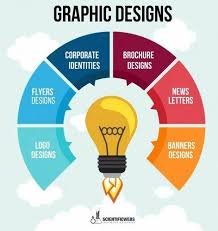
Key Components of Graphic Design
Graphic design includes multiple elements that work together to create impactful visuals:
- Typography: The art of arranging text to make it readable and aesthetically pleasing.
- Color Theory: Using color combinations to evoke emotions and convey brand personality.
- Layout & Composition: Organizing elements effectively to guide the viewer’s eye.
Why Graphic Design is Important
Graphic design is a powerful tool that can influence how your audience perceives your brand. Good design enhances communication, creates a memorable impression, and drives engagement.
Enhances Brand Identity
Strong visual design helps your brand stand out in a crowded marketplace. Consistent use of colors, fonts, and logos builds brand recognition and trust. Professional graphics make your business appear more credible and reliable
Ways to Enhance Brand Identity:
- Create a unique logo that represents your brand’s values.
- Develop a consistent color palette for all designs.
- Use typography styles that reflect your brand personality.
- Design templates for social media and marketing materials to maintain consistency.
Improves Communication
The human brain processes visuals faster than text, making graphic design essential for clear communication. By presenting complex information through images, charts, or infographics, designers help audiences grasp ideas quickly and remember key messages. Strategic use of color, typography, and layout further reinforces the meaning and clarity of the content.
Ways to Improve Communication Through Design:
- Use infographics and charts to summarize data or processes.
- Apply visual hierarchy to highlight important information.
- Include icons and illustrations to support and clarify text.
Boosts Engagement
Engaging visuals capture attention and encourage audiences to interact with content. Whether on social media, blogs, or advertisements, well-crafted graphics increase likes, shares, comments, and clicks. Effective design makes content more memorable and encourages users to spend more time exploring your brand.
Ways to Boost Engagement:
- Create eye-catching social media posts with bold visuals.
- Use interactive graphics like sliders, polls, or animated elements.
- Design high-quality thumbnails for videos and blog posts.

Graphic Design Trends to Watch
Staying updated with trends ensures your designs remain fresh, relevant, and engaging. Emerging trends not only inspire creativity but also reflect audience preferences and market evolution.
Popular Design Trends:
- Minimalism: Clean and simple layouts that emphasize clarity and functionality.
- Bold Typography: Eye-catching fonts that convey personality and tone.
- 3D & Isometric Design: Adds depth and realism to digital graphics.
- Motion Graphics & Animation: Dynamic visuals that tell stories and engage viewers.
- Sustainable Design: Eco-friendly designs that reflect social responsibility.
Essential Tools Every Graphic Designer Should Know
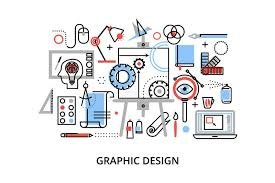
Professional designers rely on advanced tools to create high-quality visuals across multiple platforms. Each tool serves a specific purpose, from photo editing and illustration to web and UI/UX design.
- Adobe Photoshop: Editing images and creating digital artwork.
- Adobe Illustrator: Vector graphics, logos, and illustrations.
- Canva: Simplified platform for social media and marketing graphics.
- Figma / Sketch: UI/UX design and web interface tools.
- Procreate: Digital illustration and drawing for tablets.
How to Create a Successful Graphic Design Strategy
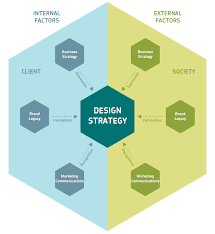
A thoughtful graphic design strategy ensures every visual communicates the brand effectively and achieves marketing objectives. It requires understanding the audience, defining brand identity, and planning content across multiple platforms. Iteration and testing help refine designs for maximum impact.
Steps to Build a Graphic Design Strategy:
- Understand your audience and their visual preferences.
- Define brand guidelines, including colors, fonts, and style consistency.
- Plan the type of graphics needed for social media, web, and marketing campaigns.
- Test and iterate designs based on feedback.
Conclusion
Graphic design is much more than decoration—it is a powerful communication tool. It conveys your brand story, engages audiences, and supports business objectives. By mastering typography, color, layout, and imagery, and by keeping up with design trends, you can create visuals that enhance brand credibility, boost engagement, and drive conversions. Consistency, creativity, and strategic thinking are the keys to standing out in a competitive market and leaving a lasting impression on your audience.