E-Commerce Setup: Building Your Online Store
E-Commerce Setup Setting up an e-commerce store is an essential step for businesses looking to expand online and reach a wider audience. An e-commerce setup allows businesses to sell products or services directly to customers via the internet. A well-planned e-commerce store provides convenience, accessibility, and a seamless shopping experience. It also helps businesses compete in a fast-
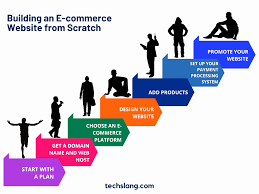
growing online market. From website design to payment integration, every aspect of e-commerce setup contributes to business success.
- Enables businesses to sell products or services online
- Provides convenience and accessibility to customers
- Expands reach beyond local markets
- Supports growth in a competitive online marketplace
Understanding E-Commerce Setup
E-commerce setup involves creating an online platform that allows customers to browse, select, and purchase products or services. It includes website design, product listing, shopping cart integration, and payment gateways. A successful e-commerce setup ensures smooth navigation, secure transactions, and a user-friendly experience. It also requires proper inventory
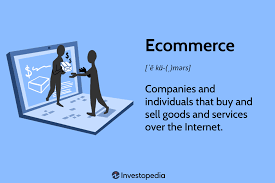
management and logistics planning to meet customer expectations. A strong e-commerce foundation helps businesses generate revenue efficiently and maintain customer satisfaction.
- Creates a platform for online sales and customer engagement
- Ensures smooth navigation and secure transactions
- Integrates payment gateways for easy checkout
- Supports inventory and order management
Key Components of an E-Commerce Setup
A successful e-commerce store combines multiple elements to create a seamless shopping experience. These include website design, product management, payment systems, and customer service. Website design focuses on user interface, speed, and mobile responsiveness. Product management involves organizing listings, descriptions, and images to attract buyers. Payment systems must be secure, reliable, and
support multiple options. Customer service, including returns and queries, ensures a positive experience and repeat business.
- Website design for usability, speed, and responsiveness
- Product listings with detailed descriptions and high-quality images
- Secure and versatile payment gateway integration
- Reliable customer service and order management
Choosing the Right E-Commerce Platform
Selecting the right platform is a critical step in your e-commerce setup. Popular platforms like Shopify, WooCommerce, Magento, and BigCommerce offer different features and flexibility. Consider factors such as scalability, ease of use, security, payment options, and customization. The platform should align with your

business size, goals, and technical expertise. A suitable platform makes it easier to manage your store and enhance the customer experience.
- Evaluate platform features and flexibility
- Ensure scalability for future growth
- Prioritize security and reliable payment options
- Select a platform that matches business needs and technical skills
Website Design and User Experience
Your e-commerce website must provide a seamless and engaging user experience. Clean layout, intuitive navigation, and fast loading speed are crucial. Mobile responsiveness ensures that customers can shop conveniently on any device. Product pages should include clear descriptions, pricing, images, and reviews

to guide buyers. A visually appealing and easy-to-use site increases conversion rates and customer satisfaction.
- Clean and intuitive website layout
- Fast loading speed and mobile responsiveness
- Detailed product pages with images, descriptions, and reviews
- Easy navigation and checkout process
Product Management and Inventory
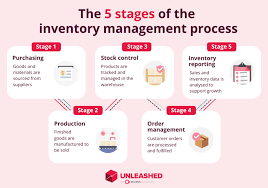
Effective product management is essential for running an organized e-commerce store. Categorize products clearly, write compelling descriptions, and upload high-quality images. Track inventory levels to avoid stockouts or overstocking. Automated inventory management tools can streamline order fulfillment and reduce errors. Proper management ensures that customers can find and purchase products easily.
- Organize products into categories
- Use high-quality images and descriptions
- Track inventory to prevent stock issues
- Implement automated tools for order and stock management
Payment Gateway Integration
Secure and efficient payment processing is a key component of e-commerce setup. Customers expect multiple payment options, including credit/debit cards, digital wallets, and bank transfers. Integrate a trusted payment gateway that ensures fast and secure transactions. Also, ensure compliance with local regulations and data protection laws. A smooth checkout process reduces cart abandonment and boosts sales.

- Provide multiple payment options for convenience
- Ensure secure and fast transactions
- Use trusted payment gateways
- Comply with regulations and data protection standards
Logistics and Shipping
Efficient logistics and shipping are crucial for e-commerce success. Offer reliable shipping options with tracking capabilities. Set clear delivery timelines and return policies to build customer confidence. Partnering with trusted courier services ensures timely deliveries. Proper logistics management reduces errors and improves overall customer satisfaction.

- Offer reliable shipping with tracking
- Provide clear delivery and return policies
- Partner with trusted courier services
- Ensure timely and accurate order fulfillment
Marketing Your E-Commerce Store
Promoting your e-commerce store drives traffic and increases sales. Use digital marketing techniques such as social media, email marketing, SEO, and paid advertising. Highlight promotions, discounts, and special offers to attract customers. Engaging content, reviews, and testimonials can also build trust. Regular marketing efforts maintain visibility and encourage repeat purchases.
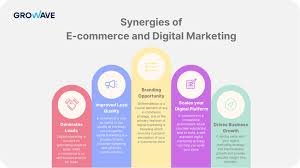
- Implement social media and email marketing campaigns
- Optimize website for search engines (SEO)
- Offer promotions and discounts
- Use customer reviews and testimonials for credibility
Customer Service and Support
Excellent customer service enhances the e-commerce experience and fosters loyalty. Offer multiple support channels, including chat, email, and phone. Address queries, complaints, and returns promptly. Providing clear FAQs and policies improves transparency. A positive customer experience encourages repeat business and referrals.
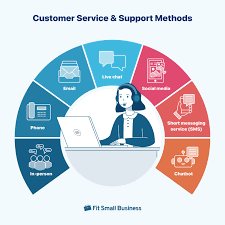
- Provide multiple communication channels for support
- Respond promptly to queries and complaints
- Offer easy return and exchange processes
- Maintain transparency with clear policies
Security and Compliance
Security is a top priority for e-commerce stores. Protect customer data with SSL certificates, encryption, and secure payment systems. Comply with local regulations, including tax collection and data privacy laws. Regularly update software and plugins to prevent vulnerabilities. A secure store builds trust and encourages more transactions.

- Implement SSL and data encryption
- Ensure secure payment processing
- Comply with regulations and privacy laws
- Regularly update software to maintain security
Conclusion
Setting up an e-commerce store requires careful planning, execution, and continuous improvement. A strong e-commerce setup includes a well-designed website, secure payment gateways, efficient product and inventory management, reliable logistics, and excellent customer service. Promoting your store through marketing and maintaining compliance ensures long-term success. By focusing on these elements, businesses can create a seamless online shopping experience, build customer trust, and grow revenue effectively.
- Plan and execute all elements carefully
- Focus on user experience and customer satisfaction
- Ensure security, compliance, and reliable operations
- Promote the store to increase traffic and sales